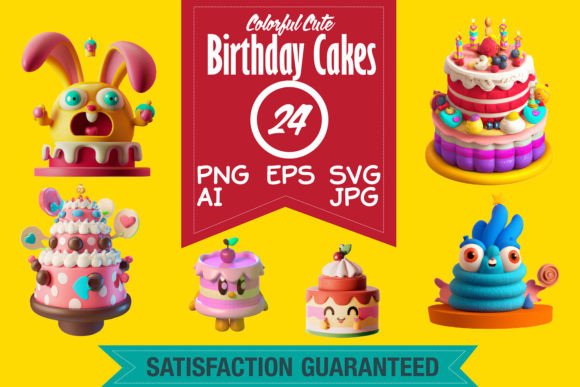
Cute Cake 3D Illustrations: Graphics for Editorial Use
As a digital publisher and blog designer, my first interaction with any new graphic design asset is purely editorial. Before I consider how an image might look on a mug or a tote bag, I need to know if it can carry the weight of a featured image on a high-traffic content site. When reviewing the Cute Cake 3D Illustrations pack, the immediate impression is one of polished, tactile warmth. Unlike flat vector art that can sometimes feel sterile or overly corporate, these 3D renders possess a softness and depth that translates exceptionally well to lifestyle and food publishing. The lighting is diffused and flattering, creating an editorial mood that feels modern yet approachable. For niches ranging from baking tutorials and party planning to parenting blogs and creative entrepreneurship, this visual style signals to the reader that the content is curated, joyful, and trustworthy.
Elevating Blog Featured Images and Visual Hierarchy
In the competitive landscape of content marketing, the featured image is often the sole determinant of whether a user clicks through from a search result or social feed. These illustrations excel here because they offer distinct visual hierarchy. The 3D nature of the cakes creates natural focal points, allowing designers to place headline text in the negative space without competing with busy photographic backgrounds. When used as blog graphics, they provide a consistent aesthetic that photography sometimes lacks. If you are running a series on dessert recipes or celebration ideas, using these assets ensures your category archives look cohesive rather than chaotic. This consistency builds brand identity and helps regular readers instantly recognize your content in their feed.
Furthermore, these assets are invaluable for Pinterest pin creation. Pinterest favors vertical, high-contrast imagery with clear subjects. The dimensional quality of these cake graphics pops against solid color backgrounds, making them ideal for driving traffic to recipe posts, DIY guides, or affiliate roundups. They bridge the gap between playful and professional, ensuring your pins look like high-end editorial design rather than amateur crafts.
Strategic Applications for Digital Products and Lead Magnets
Beyond standard blog posts, experienced publishers know that monetization often relies on digital product creation. These illustrations are perfectly suited for enhancing the perceived value of downloadable resources. Imagine a lead magnet such as a "Party Planning Checklist" or a "Baking Conversion Guide." Using a generic stock photo can make these resources feel cheap, but incorporating a high-quality 3D cake render elevates the cover design to something users actually want to save and share.
- Digital Guides and eBooks: Use specific cake variations as chapter headers or section dividers to break up text-heavy educational content.
- Newsletter Headers: Maintain engagement in email marketing by rotating seasonal cake graphics that match the tone of your latest update.
- Canva Templates: If you sell templates to other creators, these assets serve as premium placeholders that demonstrate the template's potential.
- Affiliate Marketing Visuals: Create custom comparison charts or "best of" collages for kitchen tools or baking supplies without needing to photograph physical products.
The versatility extends to print-on-demand and sublimation projects as well. While my primary focus is web performance, I recognize that many creative entrepreneurs operate hybrid businesses. The description notes these are perfect for stickers, invitations, and paper products. From a publishing perspective, this means you can create a seamless brand experience where your website visuals match the physical merchandise or printable party kits you sell in your shop.
Where to Exercise Caution in Editorial Layouts
Despite their charm, no design asset is universal. As a reviewer, I must highlight where these Cute Cake 3D Illustrations require careful implementation. They are inherently playful and feminine, which makes them less suitable for serious corporate communications, financial advice columns, or minimalist tech blogs. Using them in those contexts could create cognitive dissonance for the reader, undermining trust.
Additionally, consider the technical constraints of web design. Because these are detailed 3D renders, file sizes can be larger than simple vectors. You must compress these images properly before uploading them to your CMS to avoid slowing down page load times, which negatively impacts SEO. Also, test these graphics on mobile devices. On smaller screens, intricate details can get lost, or the image might dominate the viewport too aggressively if not cropped correctly. Always preview your website header and article thumbnails at multiple breakpoints to ensure the visual supports the text rather than overwhelming it.
Publisher’s Technical Checklist for Implementation
Before integrating these graphics into a live production environment, run through this practical workflow to ensure professional results:
- Contrast Testing: Place white text over the lightest part of the cake illustration and dark text over the shadows. If readability fails, apply a subtle gradient overlay or drop shadow to the text.
- Typography Pairing: Test the graphics against your site’s font stack. These 3D renders pair beautifully with rounded sans-serifs and elegant scripts but may clash with rigid, industrial typefaces.
- Grayscale Check: View the image in black and white. Does it still have enough tonal variation to be interesting? This ensures accessibility for users with visual impairments and guarantees the image works in print contexts where color isn't available.
- Licensing Verification: Always confirm the commercial license terms. If you plan to use these on monetized affiliate pages, in paid courses, or as part of a creative marketplace product, ensure your license covers commercial digital distribution.
- Thumbnail Preview: Shrink the image to 150px wide. Can you still identify it as a cake? If it becomes an indistinct blob, it will fail as a category icon or sidebar widget.
Enhancing Reader Trust Through Polished Visuals
Ultimately, the goal of incorporating Cute Cake 3D Illustrations into your publishing workflow is to enhance reader trust. In an era of AI-generated noise and low-effort content, deliberate creative design choices signal quality. When a visitor lands on a tutorial adorned with a crisp, well-lit 3D graphic, they subconsciously assume the instructions within are equally precise and tested. This psychological link between visual polish and content authority is crucial for small business branding.
Whether you are designing a printable design for a birthday party or optimizing a social media graphics campaign for Instagram, these assets provide a flexible foundation. They allow non-designers to achieve a boutique aesthetic without hiring a custom illustrator for every post. By treating these graphics as strategic editorial elements rather than mere decoration, publishers can create a more engaging, clickable, and professionally branded content ecosystem. The key lies in intentional placement, technical optimization, and respecting the specific mood these delightful illustrations bring to the digital page.